Negative communicators usually express
(A) Verbal softness
(B) Optimism
(C) Pessimism
(D) Resentment
(E) Distrust
Choose the correct answer from the options given below:
Solution :
The correct answer is C, D & E only.
Negative communication refers to a style of interaction characterized by unsupportive, discouraging, hostile, or defensive behaviors. To understand why traits C, D, and E are the characteristic expressions of negative communicators, let us analyze each given option:
1. (A) Verbal softness (Incorrect): This represents gentleness, politeness, or empathy in tone and delivery. It is generally associated with supportive and positive communication styles.
2. (B) Optimism (Incorrect): Optimism is the tendency to look on the more favorable side of events or conditions and to expect the most positive outcome. This is a hallmark of constructive, positive communication.
3. (C) Pessimism (Correct): Pessimism is a tendency to stress negative aspects or expect the worst. Negative communicators frequently express pessimism, which dampens morale and focuses solely on obstacles and failure.
4. (D) Resentment (Correct): Resentment is a feeling of indignant displeasure or persistent ill-will stemming from a belief of being treated unfairly. A negative communicator often conveys bitterness, complaints, or passive-aggressive anger.
5. (E) Distrust (Correct): Distrust is a lack of trust or a feeling of suspicion regarding others. Negative communication is often characterized by skepticism, doubt, and defensiveness, indicating an underlying distrust of the receiver's motives.
Therefore, the traits that negative communicators usually express are Pessimism (C), Resentment (D), and Distrust (E).
Completely free for students. Educators & coaching institutes get 2 months free Pro trial to create tests.
Access unlimited practice questions, detailed step-by-step solutions, and exam study materials — completely free for students.
Create and conduct professional online assessments with AI question generation, tab proctoring, and comprehensive batch management.
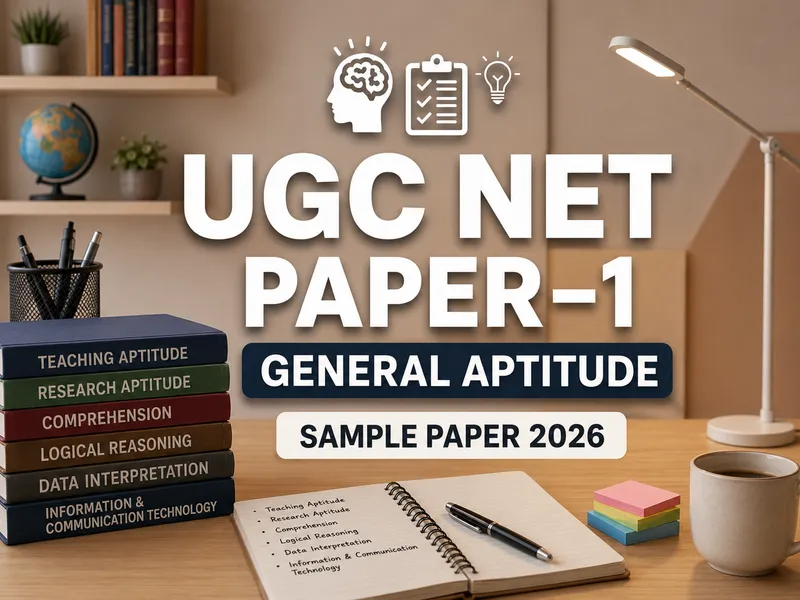
The UGC NET Paper–1 General Aptitude Sample Paper is a well-structured practice resource designed to help aspirants prepare effectively for the Paper–1 section of the UGC NET. This sample paper covers all key areas including Teaching Aptitude, Research Aptitude, Logical Reasoning, Data Interpretation, Communication, ICT, Higher Education System, and People & Environment. Prepared according to the latest exam pattern, it features a balanced mix of conceptual, analytical, and application-based multiple-choice questions. The paper is designed to simulate real exam conditions, helping candidates improve accuracy, speed, and time management. Ideal for both beginners and advanced learners, this sample paper enables aspirants to evaluate their preparation level, identify weak areas, and strengthen core concepts for better performance in the actual UGC NET examination.
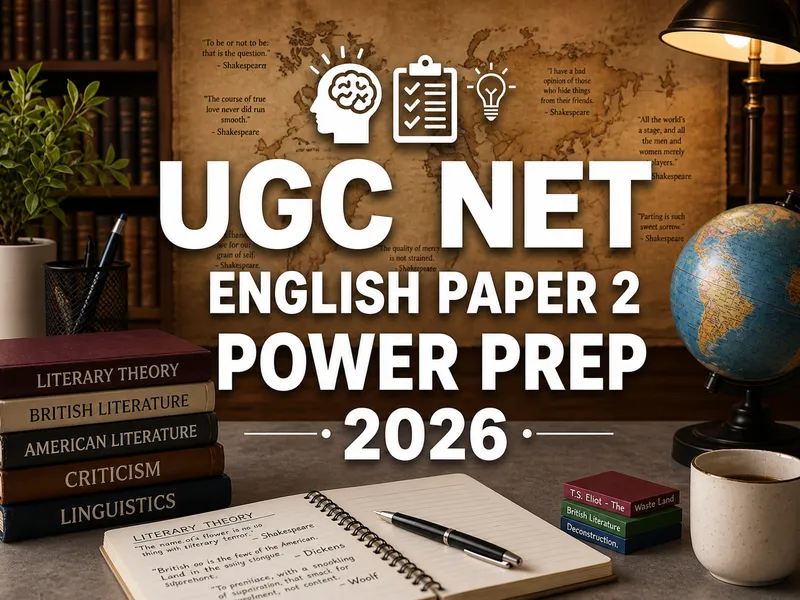
Master your preparation with a focused and exam-oriented program designed specifically for UGC NET English Paper 2. This course helps you build deep conceptual clarity and strong analytical skills required to excel in literature and language-based questions.
Copyright © 2026 Combe Labs Private Limited. All Rights Reserved.