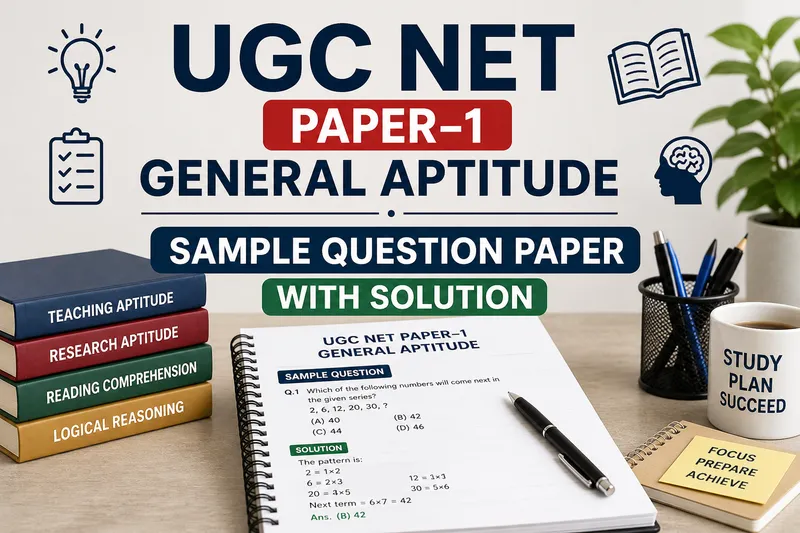
Which of the following are features of mass communication?
A) Structured institutional system
B) Complex process of reproduction
C) Commodification of messages
D) Personalized way of communication
E) Space-time constraint
Choose the correct answer from the options given below:
Solution :
The correct answer is A, B, C only.
To understand why this is the correct choice, let us analyze each of the given features in the context of mass communication:
A) Structured institutional system: Mass communication requires a structured organization or institution (such as newspaper publishers, television networks, or digital media conglomerates) to produce and transmit messages to a large, diverse, and widespread audience. Therefore, it is a key feature.
B) Complex process of reproduction: Unlike interpersonal communication, mass communication involves mechanical or digital reproduction of messages (printing presses, broadcast transmitters, internet servers, etc.) to reach millions of people simultaneously. This involves a complex technical and administrative process of reproduction, making this a valid feature.
C) Commodification of messages: In mass communication, messages, information, and entertainment are treated as commodities that are produced, packaged, and sold (either directly to consumers or to advertisers via audience attention). Thus, commodification is a defining characteristic of modern mass media.
D) Personalized way of communication: Mass communication is characterized by its impersonal nature, as it is directed toward a large, heterogeneous, and anonymous audience, rather than being tailored to a single individual in a personalized manner. Thus, this is not a feature of mass communication.
E) Space-time constraint: One of the primary advantages of modern mass communication is its ability to overcome constraints of space and time through broadcasting, print distribution, and digital networks, allowing messages to be received globally and often asynchronously. Therefore, space-time constraint is not a defining limitation or feature of mass communication.
By evaluating these points, we find that only statements A, B, and C accurately describe the features of mass communication.
Completely free for students. Educators & coaching institutes get 2 months free Pro trial to create tests.
Access unlimited practice questions, detailed step-by-step solutions, and exam study materials — completely free for students.
Create and conduct professional online assessments with AI question generation, tab proctoring, and comprehensive batch management.
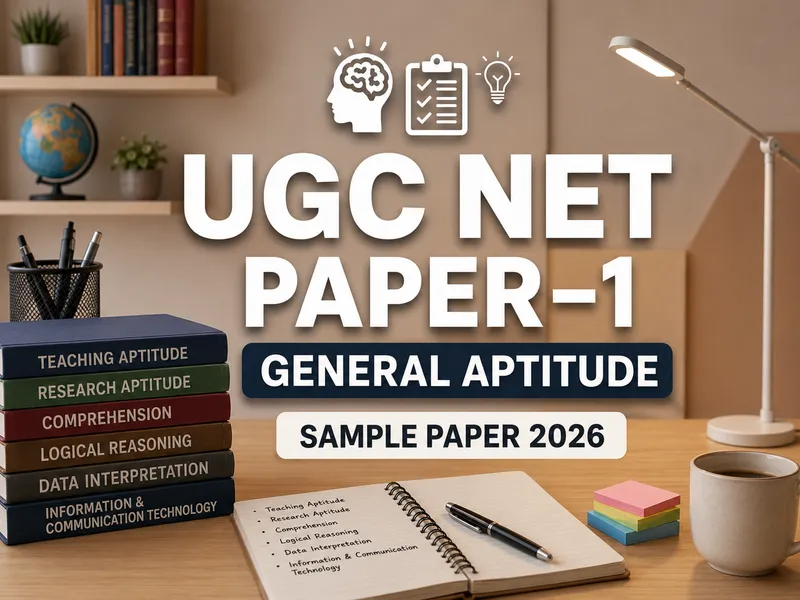
The UGC NET Paper–1 General Aptitude Sample Paper is a well-structured practice resource designed to help aspirants prepare effectively for the Paper–1 section of the UGC NET. This sample paper covers all key areas including Teaching Aptitude, Research Aptitude, Logical Reasoning, Data Interpretation, Communication, ICT, Higher Education System, and People & Environment. Prepared according to the latest exam pattern, it features a balanced mix of conceptual, analytical, and application-based multiple-choice questions. The paper is designed to simulate real exam conditions, helping candidates improve accuracy, speed, and time management. Ideal for both beginners and advanced learners, this sample paper enables aspirants to evaluate their preparation level, identify weak areas, and strengthen core concepts for better performance in the actual UGC NET examination.

Master your preparation with a focused and exam-oriented program designed specifically for UGC NET English Paper 2. This course helps you build deep conceptual clarity and strong analytical skills required to excel in literature and language-based questions.
Copyright © 2026 Combe Labs Private Limited. All Rights Reserved.