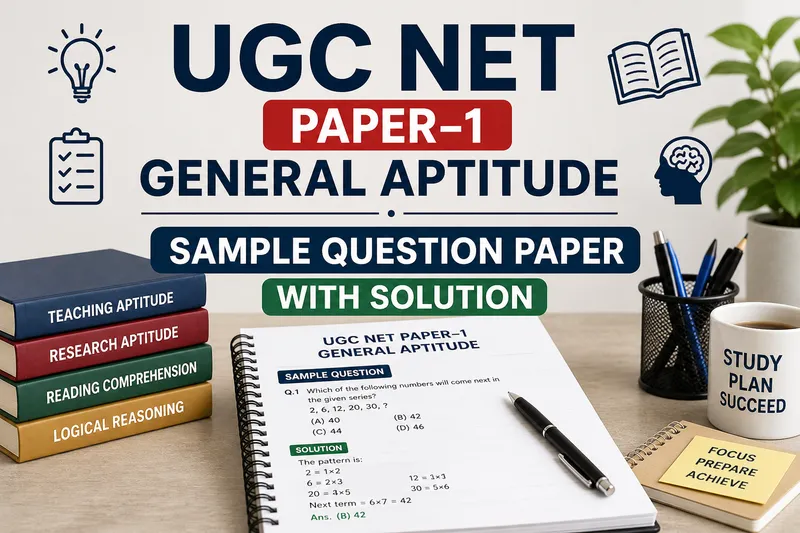
The systematic elimination of extraneous variables other than those you are interested in can be achieved in:
Solution :
The correct option is experimental research.
Here is a step-by-step explanation of why this option is correct:
1. Understanding Extraneous Variables: Extraneous variables are variables other than the independent variable (the cause) that might influence the dependent variable (the effect) in a study. If left uncontrolled, they can introduce bias and make it difficult to determine the true causal relationship.
2. The Role of Control in Experimental Research: Experimental research is specifically designed to establish cause-and-effect relationships. It relies heavily on strict control and manipulation. Researchers manipulate one or more independent variables while keeping all other potential influencing factors constant or controlling for them.
3. Methods of Elimination/Control: In an experiment, researchers systematically eliminate or control for extraneous variables using techniques such as random assignment (distributing participant characteristics equally across groups), matching, and maintaining a constant laboratory environment. This ensures that any observed change in the dependent variable is solely due to the manipulation of the independent variable.
4. Comparison with Other Methods:
- Qualitative research focuses on understanding subjective experiences and meanings rather than controlling variables.
- Correlational research observes relationships as they naturally occur without manipulating variables, meaning extraneous variables (confounding factors) cannot be systematically eliminated.
- Longitudinal research tracks variables over time but does not inherently involve the active control and manipulation required to eliminate extraneous variables.
Completely free for students. Educators & coaching institutes get 2 months free Pro trial to create tests.
Access unlimited practice questions, detailed step-by-step solutions, and exam study materials — completely free for students.
Create and conduct professional online assessments with AI question generation, tab proctoring, and comprehensive batch management.
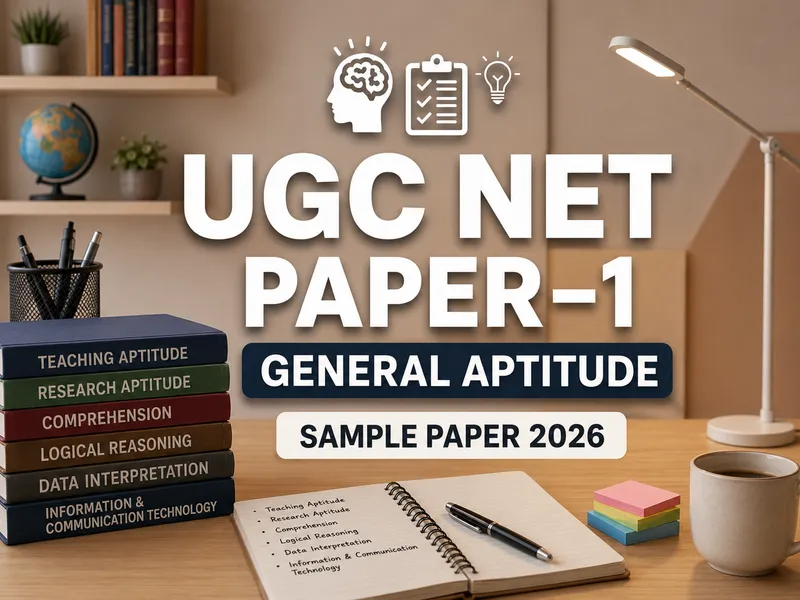
The UGC NET Paper–1 General Aptitude Sample Paper is a well-structured practice resource designed to help aspirants prepare effectively for the Paper–1 section of the UGC NET. This sample paper covers all key areas including Teaching Aptitude, Research Aptitude, Logical Reasoning, Data Interpretation, Communication, ICT, Higher Education System, and People & Environment. Prepared according to the latest exam pattern, it features a balanced mix of conceptual, analytical, and application-based multiple-choice questions. The paper is designed to simulate real exam conditions, helping candidates improve accuracy, speed, and time management. Ideal for both beginners and advanced learners, this sample paper enables aspirants to evaluate their preparation level, identify weak areas, and strengthen core concepts for better performance in the actual UGC NET examination.

Master your preparation with a focused and exam-oriented program designed specifically for UGC NET English Paper 2. This course helps you build deep conceptual clarity and strong analytical skills required to excel in literature and language-based questions.
Copyright © 2026 Combe Labs Private Limited. All Rights Reserved.