Which of the following refers to a sampling approach in structured observation whereby a sampled individual is observed for a set period of time?
Solution :
The correct option is Focal sampling.
Step-by-Step Explanation:
1. Understanding the Question: The question asks for the term that describes a sampling technique used in structured observation where a specific individual is observed continuously for a predefined, set period of time.
2. Analyzing the Options:
• Focal sampling: In structured observation (particularly in behavioral studies and observational research), focal sampling involves selecting a single individual (the "focus") and recording all of their behaviors for a specified length of time. This matches the definition provided in the question perfectly.
• Snowball sampling: This is a non-probability sampling technique used in qualitative research and surveys where existing study subjects recruit future subjects from among their acquaintances. It is not an observational timing technique.
• Purposive sampling: This is a non-probability sampling method where researchers rely on their own judgment when choosing members of the population to participate in their study, typically based on specific characteristics.
• Cluster sampling: This is a probability sampling method where the researcher divides the population into separate groups (called clusters) and then selects a simple random sample of these clusters for analysis.
3. Conclusion: Since focal sampling is the only method listed that specifically refers to observing a selected individual for a set block of time, it is the correct answer.
Completely free for students. Educators & coaching institutes get 2 months free Pro trial to create tests.
Access unlimited practice questions, detailed step-by-step solutions, and exam study materials — completely free for students.
Create and conduct professional online assessments with AI question generation, tab proctoring, and comprehensive batch management.
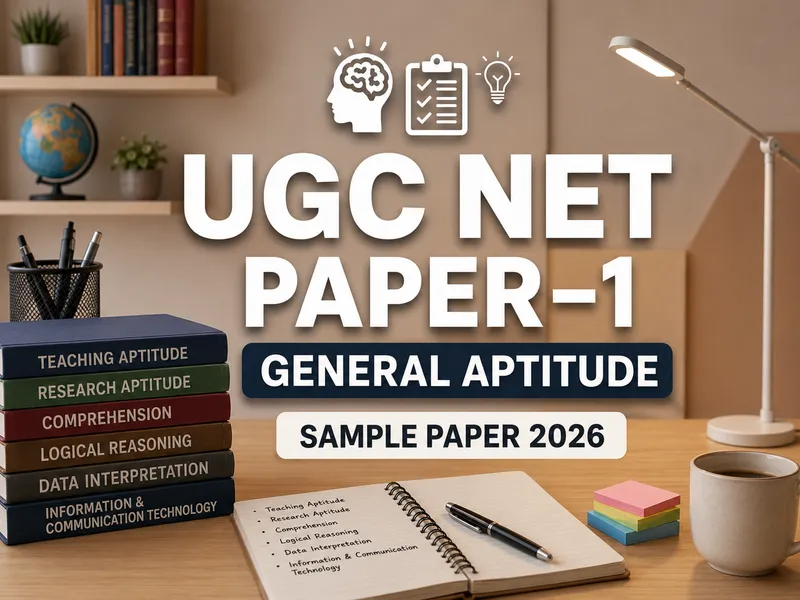
The UGC NET Paper–1 General Aptitude Sample Paper is a well-structured practice resource designed to help aspirants prepare effectively for the Paper–1 section of the UGC NET. This sample paper covers all key areas including Teaching Aptitude, Research Aptitude, Logical Reasoning, Data Interpretation, Communication, ICT, Higher Education System, and People & Environment. Prepared according to the latest exam pattern, it features a balanced mix of conceptual, analytical, and application-based multiple-choice questions. The paper is designed to simulate real exam conditions, helping candidates improve accuracy, speed, and time management. Ideal for both beginners and advanced learners, this sample paper enables aspirants to evaluate their preparation level, identify weak areas, and strengthen core concepts for better performance in the actual UGC NET examination.
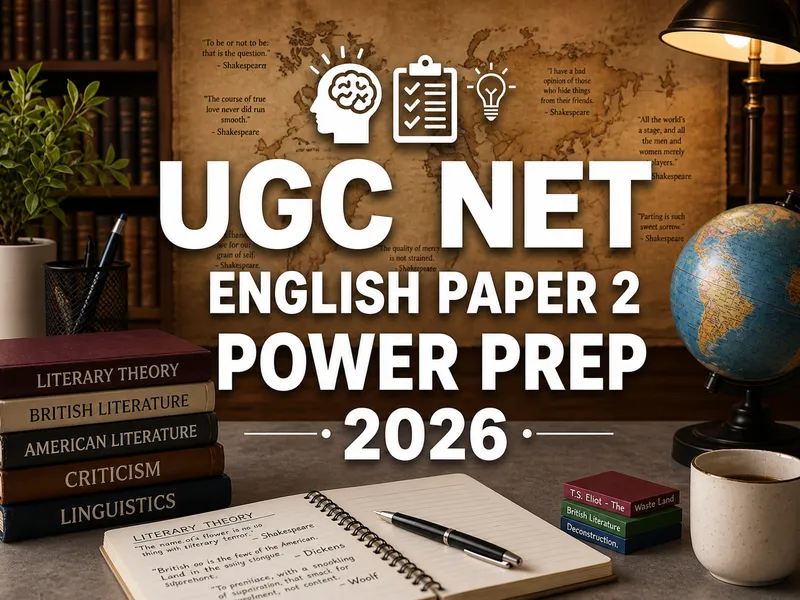
Master your preparation with a focused and exam-oriented program designed specifically for UGC NET English Paper 2. This course helps you build deep conceptual clarity and strong analytical skills required to excel in literature and language-based questions.
Copyright © 2026 Combe Labs Private Limited. All Rights Reserved.